Understanding Thermal Paste: How It Enhances Your PC's Cooling Efficiency
Understanding thermal paste is essential for anyone looking to enhance their PC's cooling efficiency. This compound is applied between the CPU and the heatsink to improve thermal conductivity, ensuring that heat generated by the processor is efficiently transferred away. Without proper application of thermal paste, your computer may experience overheating, reduced performance, and even hardware damage over time. In fact, studies show that thermal paste can reduce temperatures by several degrees, making it a key component in maintaining optimal system performance.
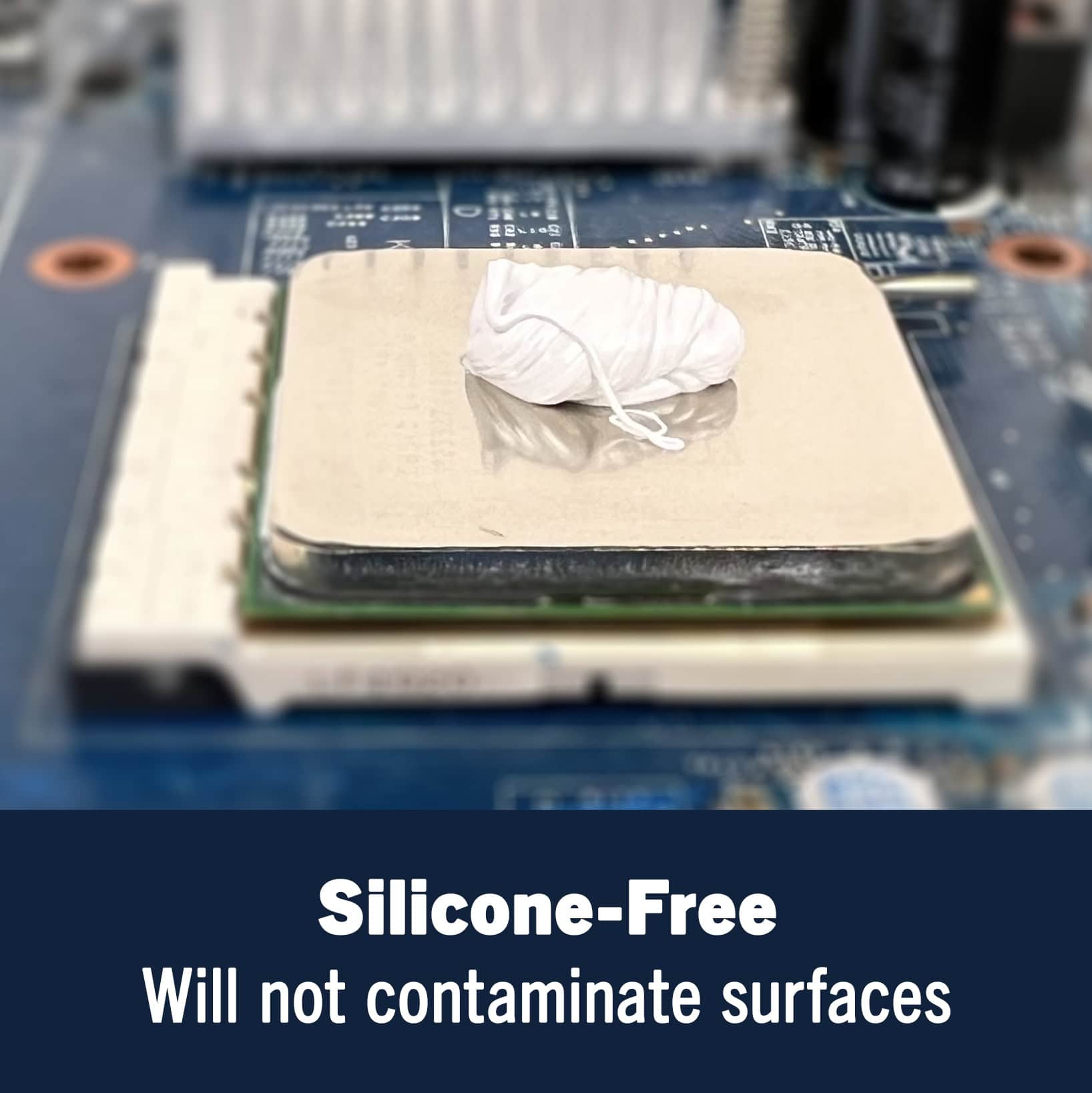
When applying thermal paste, it’s important to follow best practices to maximize its effectiveness. Start by cleaning the surfaces of the CPU and cooler with isopropyl alcohol to remove any old paste or debris. Next, apply a small, pea-sized amount of thermal paste in the center of the CPU. As you reattach the heatsink, the pressure will spread the paste evenly across the surface, creating a thin layer that allows for optimal heat transfer. Regular maintenance and reapplication of thermal paste every few years can further enhance your PC's cooling performance and longevity.
Counter-Strike is a highly popular team-based first-person shooter game that pits terrorists against counter-terrorists in a series of objective-based missions. Players can customize their gear and choose from a variety of weapons, which adds to the strategic depth of the gameplay. To enhance your gaming experience, consider checking out the Top 10 Laptop Accessories to Prevent Overheating for optimal performance during intense gaming sessions.
Top 5 Myths About Thermal Paste Debunked
Thermal paste is essential for effective heat transfer between your CPU and heatsink, yet it’s surrounded by many misconceptions. One common myth is that more is better when it comes to applying thermal paste. In reality, using too much can create a mess and hinder heat dissipation instead of improving it. A small, pea-sized amount is typically sufficient to cover the surface evenly without overflowing. This application promotes optimal performance and ensures efficient thermal conductivity, allowing your CPU to maintain safe operating temperatures.
Another prevalent myth is that thermal paste needs to be replaced every few months. While regular maintenance is essential for your system's longevity, most high-quality thermal pastes can last for several years without degrading significantly. The primary factors that necessitate replacement are high temperatures or physical alterations to your CPU and cooler setup. Proper application and the right type of thermal paste can keep your system running cool and smooth without the need for frequent reapplications.
How Often Should You Replace Thermal Paste for Optimal Performance?
Thermal paste plays a crucial role in maintaining optimal performance for your CPU or GPU by facilitating efficient heat transfer between the chip and its cooler. Over time, this paste can dry out and lose its effectiveness, leading to elevated temperatures and potential thermal throttling. How often should you replace thermal paste? Generally, it's recommended to replace it every 3 to 5 years, but this can vary based on usage and environmental conditions. For gamers or users engaging in heavy workloads, assessing the thermal paste every 2 years can be beneficial to ensure optimal performance.
Signs that may indicate it's time to replace your thermal paste include consistently high temperatures during normal operation or unexpected shutdowns due to overheating. Regular maintenance can help prolong the life of your components. Here’s a simple checklist to consider:
- Check temperatures using monitoring software.
- Inspect for visible deterioration or dryness of the paste.
- Consider how long it's been since the last application.