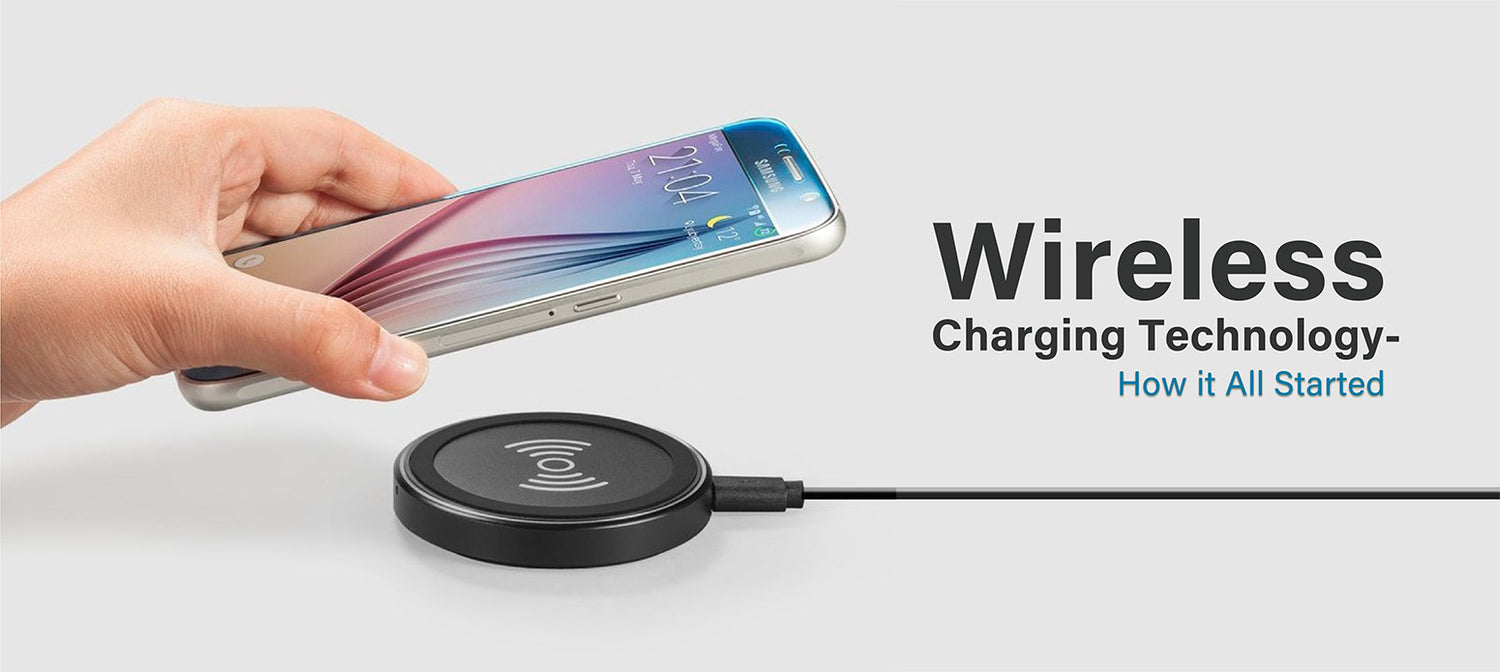
The Evolution of Charging: From Wired to Wireless
The journey of charging technology has undergone a remarkable transformation over the years. Initially, devices relied heavily on wired charging, where users connected their gadgets to power outlets using various types of cables. These connections were often cumbersome, restricting mobility and usability. As technology advanced, innovations like USB chargers emerged, enhancing convenience and compatibility. However, the limitations of physical connections prompted a shift towards more advanced solutions.
The introduction of wireless charging marked a significant milestone in this evolution. Utilizing technologies such as inductive charging and resonant inductive coupling, users can now power their devices merely by placing them on compatible charging pads or surfaces. This not only simplifies the charging process but also contributes to a cleaner and more organized environment, free of tangled cables. As we continue to embrace the future, the surge in electric vehicles and wearables will further accelerate advancements in wireless charging technologies.
Counter-Strike is a popular first-person shooter game that emphasizes team-based gameplay and strategic planning. Players can choose to be part of either the terrorist or counter-terrorist teams, each with specific objectives. Additionally, while many gamers enjoy optimizing their gaming setup, you might also be interested in the Top 10 Nightstand Chargers for Apple Watch for convenience and organization. The game's competitive nature has led to a thriving esports scene, where skilled players compete for fame and cash prizes.
How Wireless Charging Works: A Comprehensive Guide
Wireless charging has revolutionized the way we charge our devices, offering a convenient and hassle-free alternative to traditional charging methods. This technology relies on the principles of electromagnetic induction to transfer energy between a charging pad and a compatible device. At the core of this process are two main components: the transmitter coil, located in the charging station, and the receiver coil, found within the device. When the transmitter coil generates an alternating electromagnetic field, the receiver coil captures this energy and converts it back into electrical current, which can then recharge the device's battery.
To ensure optimal performance, wireless chargers generally adhere to standardized protocols such as Qi, which not only delineates the technical specifications for charging but also promotes safety measures to prevent overheating and energy wastage. As a user approaches a wireless charging station, the charging process can automatically initiate, making it incredibly user-friendly. While wireless charging is usually slower than wired options, its advantages in terms of convenience and reduced wear on charging ports make it a popular choice among consumers. Understanding how wireless charging works allows you to utilize this technology efficiently and make informed decisions regarding your devices.
Is Wireless Charging Safe? Debunking Common Myths
Wireless charging has gained immense popularity as an alternative to traditional wired charging, but many people still harbor misconceptions about its safety. One common myth is that wireless charging can overheat devices, causing potential damage. In reality, most modern smartphones and chargers are designed with built-in safety features that prevent overheating. These devices use smart technology to regulate the power output, meaning they can automatically adjust the charging rate based on the temperature and battery status, ensuring that your device remains safe while charging.
Another misconception is that using wireless chargers can lead to battery degradation more quickly than wired charging. Although some studies suggest that wireless charging may induce slight heat during the process, the differences in battery life are minimal and not substantial enough to cause significant harm. In fact, wireless charging technology has improved tremendously over the years, and many manufacturers now optimize their chargers for efficiency, ensuring minimal impact on battery health. By following the manufacturer's guidelines and using certified chargers, users can safely enjoy the convenience of wireless charging without worrying about its safety.